Native Americans, for centuries, have hunted bison for various purposes. This type of hunting has provided many benefits to these cultures, including sustenance, spiritual nourishment, and economic development.
Sustenance was a primary advantage of bison hunting for Native Americans. Bison meat is high in protein and fat, providing a nutritious source of food that could sustain large groups. Hunting also allowed access to other resources from the animal such as hides for clothing and shelter, bones for tools and weapons, and sinew for bowstrings and thread.
In addition to physical nourishment, Native American tribes found spiritual solace through hunting bison. The hunt was often seen as an act of reverence or thanksgiving to the animal spirit as well as an opportunity to connect with nature on a deeper level. For some tribes like the Cheyenne, it was essential part of their culture; they believed that those who did not hunt were not “real men”.
Finally, bison hunting supported economic development within Native American societies by providing trade goods like skins which could be exchanged between different tribes or sold to European traders. This exchange system enabled them to acquire items like horses which helped in transportation and farming activities such as plowing fields for crops.
Overall, the practice of bison hunting played a significant role in the lives of many Native American cultures throughout history. It provided sustenance and spiritual guidance while offering economic opportunities that would shape their society for generations to come.
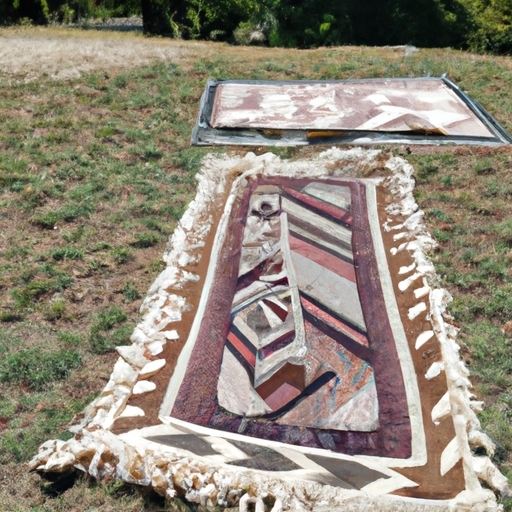
Native Americans have used many different types of bison hunts for centuries. From the Plains cultures in the Great Plains region, to other tribes throughout North America, bison were an important source of food, clothing, and shelter. The most common type of bison hunt was a communal hunt which involved several people working together to drive a herd of bison into a confined area or pound. In addition to communal hunting, some Native American cultures also utilized individual hunting tactics such as stalking and ambushing. These methods allowed for greater success while minimizing the impact on the environment. Some Native American groups even had specific rituals and ceremonies related to bison hunting that honored their spiritual beliefs. Although these practices are no longer used today, they remain a testament to the importance of bison to Native American culture and history.
Native American culture groups have long hunted bison for many purposes, such as sustenance, clothing and shelter. Utilizing a variety of tools and techniques, these ancient peoples were able to successfully capture their prey. Commonly employed strategies included setting pits or encircling the herd with fire to limit its escape options. For weaponry, traditional hunters relied upon spears, arrows and clubs to take down the animals. Some tribes even crafted specialised projectiles known as "bison darts", which featured detachable stone points that could be easily retrieved from the body after impact. In addition, nets and traps were also regularly used to capture bison, while hunting dogs provided invaluable assistance in herding them towards waiting hunters. Ultimately then, this combination of weapons and tactics enabled Native Americans to effectively hunt bison throughout their long-standing history.
Native American tribes, such as the Sioux, Cheyenne, and Blackfeet have long practiced traditional bison hunting. Hunting bison was not only a way to provide food but also a way to connect with nature. These tribes would use techniques such as driving herds off cliffs or corralling them into pens in order to capture the animals. The hides were used for clothing and shelter while the meat was dried and eaten during winter months. Other parts of the animal were utilized in ceremonial and spiritual practices, such as pipes made from bison bones being used for prayer ceremonies. The spiritual importance of these hunts is evident in how each kill was done with respect and gratitude for the animal's life. Even today, many Native Americans still practice their traditional bison hunting methods as part of their cultural heritage.
The role of women in bison hunting among Native American cultures was significant and varied. Great Plains tribes, such as the Comanche, Cheyenne, and Sioux, relied heavily on bison for sustenance. Women played a pivotal role in these hunts, often taking part in the actual hunt itself or providing vital support from afar.
Women were responsible for scouting out herds of bison to locate them for hunters and for distracting the wild animals during hunts. They also helped skin hides after kills and processed much of the meat that was used by their families. In addition to this labor-intensive work, women had a spiritual relationship with the animal; they prayed to the spirit of the buffalo before each hunt and thanked it afterward.
The respect Native Americans had for bison is reflected in how important a role women held in hunting them. Women's achievements were highly regarded within these cultures as they provided essential resources to sustain their communities. Women were not merely passive participants but active contributors who made an invaluable contribution to the success of bison hunts.
The decline of the bison population had a drastic impact on Native American culture groups who relied heavily on the majestic animal for sustenance, clothing, and ceremonial purposes. Many tribes hunted bison to procure their meat, hides, fur, horns, and bones for use in everyday life. The scarcity of bison resulted in a shortage of materials that were essential to these cultures’ survival. Without access to an abundant supply of bison, many tribes experienced severe famine and deprivation as they could not find alternative sources for basic necessities such as food and shelter. Additionally, some ceremonies involving bisons became impossible due to their dwindling numbers. This lack of spiritual connection with nature caused significant psychological distress for many people who relied upon traditional practices to maintain their sense of identity. The devastating effects of the decline in the bison population continues to be felt today by those whose ancestors suffered through this difficult period in history.
why are some native american tribes not federally recognized